One of the most common questions businesses ask before scheduling a pickup is simple: what do you actually take?
It’s a fair question. Some recyclers are selective. They want laptops but not monitors. Computers but not printers. And nobody wants to schedule a pickup only to find out half their equipment doesn’t qualify.
RTR keeps it simple. We accept virtually all business electronics. Here’s a breakdown of what we take and what happens to each category after it leaves your location.
Computers and Laptops
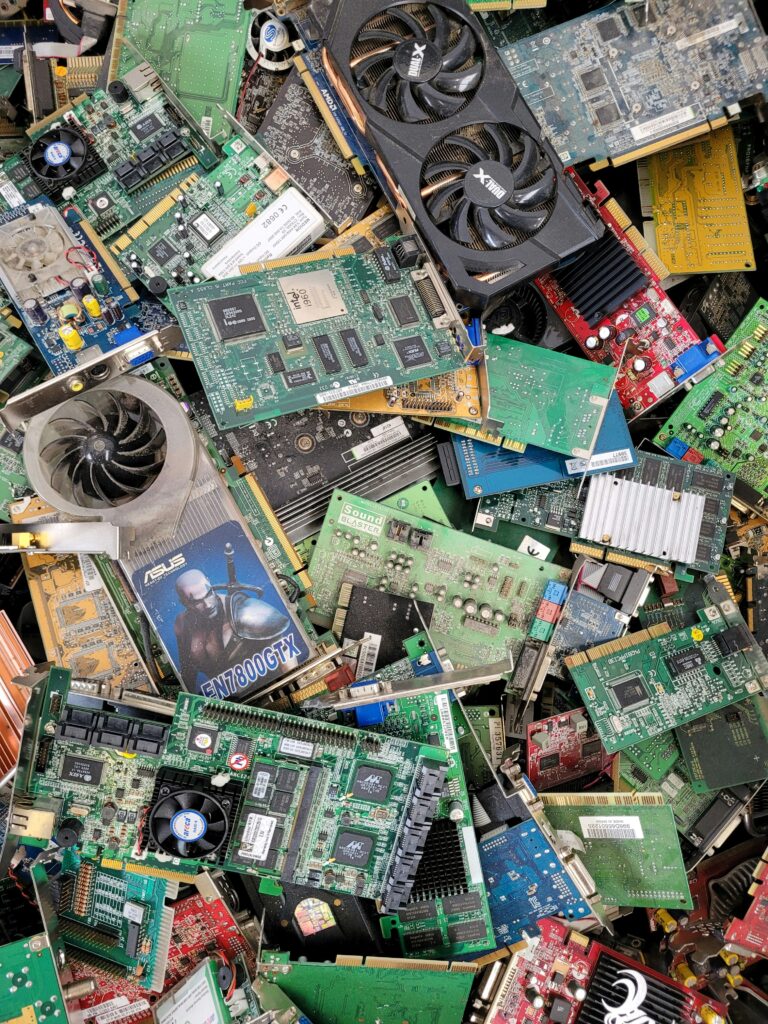
Desktops, laptops, and all-in-ones are the most common items we handle. These get evaluated first for refurbishment potential. Machines that still have useful life get cleaned up, tested, and remarketed to businesses, schools, and nonprofits. Devices beyond reuse are broken down for material recovery — the metals, plastics, and components get separated and recycled responsibly.
Every computer and laptop goes through certified data destruction before anything else happens. The drive gets wiped or shredded. You get documentation confirming it.
Monitors and Displays
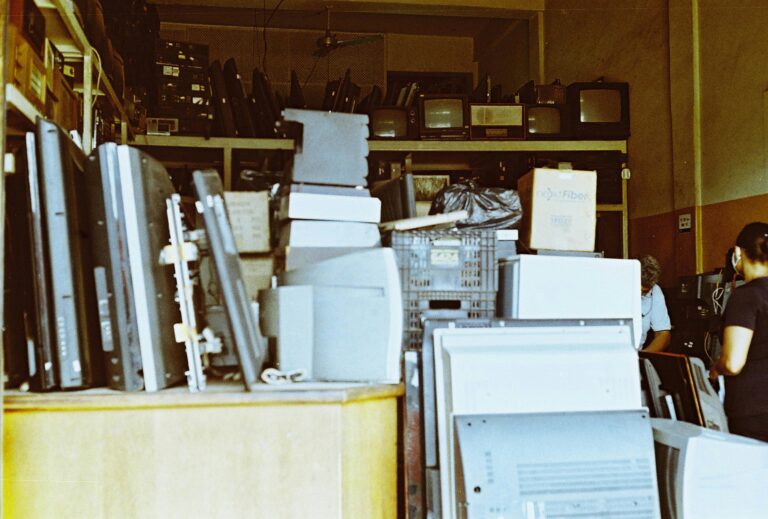
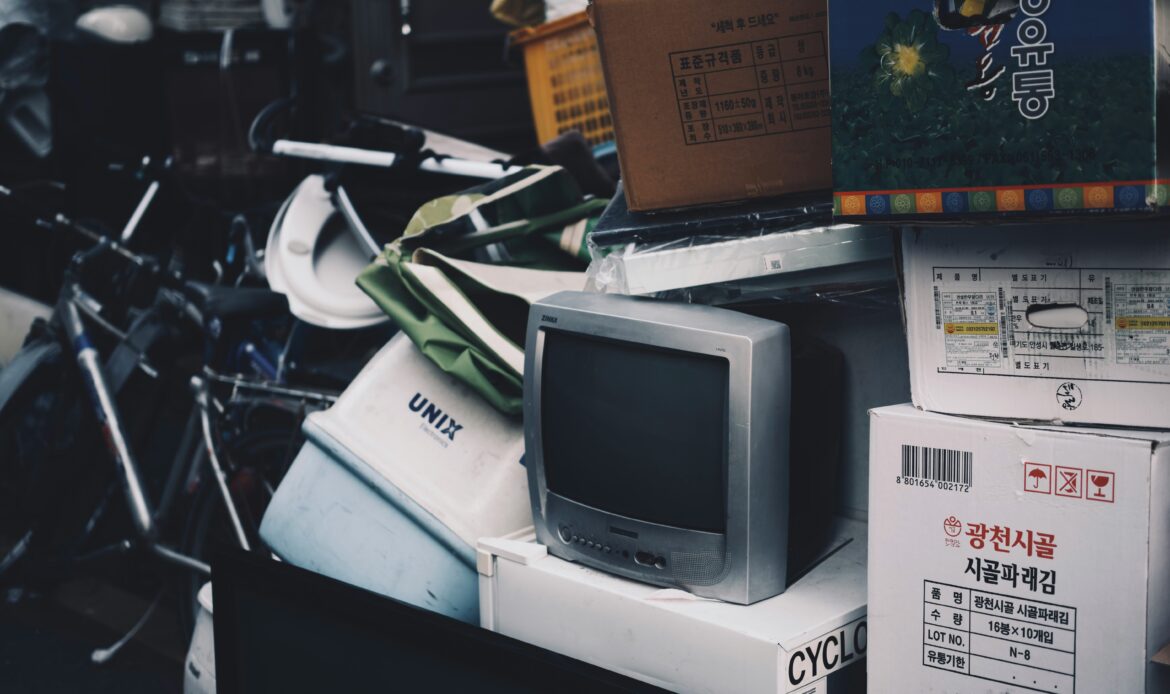
Monitors contain materials that can’t go in a landfill — older CRT displays especially. We process monitors for responsible material recovery, keeping hazardous components out of the waste stream and recovering usable materials where possible.
Servers and Networking Equipment
Servers, switches, routers, and related infrastructure hold some of the most sensitive data in any organization. These devices go through the same certified data destruction process as computers. Storage media is wiped or physically destroyed. Hardware with remaining value gets evaluated for remarketing. The rest is recycled for component and material recovery.
Tablets and Mobile Devices
Phones and tablets are easy to overlook in a disposal plan — and that’s exactly why they’re a risk. These devices hold emails, contacts, app credentials, and business data. They get wiped to certified standards before any further processing. Devices in good condition may be refurbished and remarketed. Others are broken down for material recovery.
Printers and Copiers
Most businesses don’t realize modern printers store data. Many keep internal logs of every document they’ve processed. That memory needs to be addressed before disposal. After data handling, printers and copiers are disassembled and processed for material recovery — plastics, metals, and toner components handled according to proper recycling standards.
Peripherals and Accessories
Keyboards, mice, cables, docking stations, external hard drives, USB drives, and other accessories are all accepted. External drives and USB storage go through data destruction. Peripherals are processed for material recovery.
What Happens After Pickup
Every device that comes through RTR follows the same basic path.
First, data destruction. Every storage-capable device is handled before anything else. Second, evaluation. Equipment with remaining value gets assessed for refurbishment and remarketing.
Third, responsible recycling. What can’t be reused gets broken down — metals, plastics, and components recovered and routed to certified recycling channels. Nothing goes to a landfill.
You receive documentation confirming data destruction and proper processing. That paperwork matters for compliance, audits, and internal records.
Free Pickup Across New England
Most business electronics are recycled at no charge. RTR offers free pickup throughout Massachusetts, New Hampshire, Maine, Connecticut, Rhode Island, and Vermont. We come to your location, handle all the logistics, and take care of everything from there.
If you’re not sure whether something qualifies, please reach out to us.
Call RTR at (978) 965-2728 or visit renewabletechnologyresources.com to schedule your pickup.