Summer is over. The office is full again. Everyone’s back at their desks and the pace picks up fast.
That back-to-business energy in fall is real and it’s one of the best times of year to take a hard look at your IT equipment inventory.
Not because it’s fun, but because it pays off. You find equipment you forgot you had. You identify devices that are overdue for retirement. And you set yourself up for a cleaner, more organized Q4.
Here’s why fall works so well for this, and how to do it right.
Summer Leaves a Mess
Staff turnover happens over the summer. People leave, new people start, and equipment moves around. Laptops get reassigned. Old desktops get pushed into storage. Monitors get swapped. Nobody updates the inventory spreadsheet.
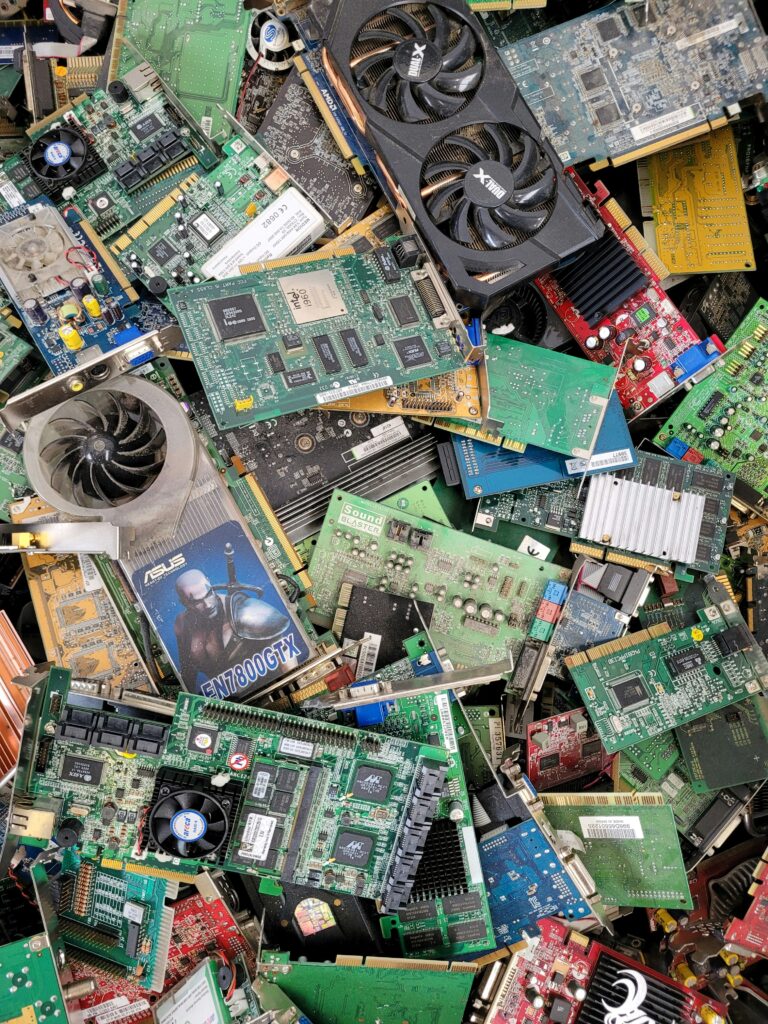
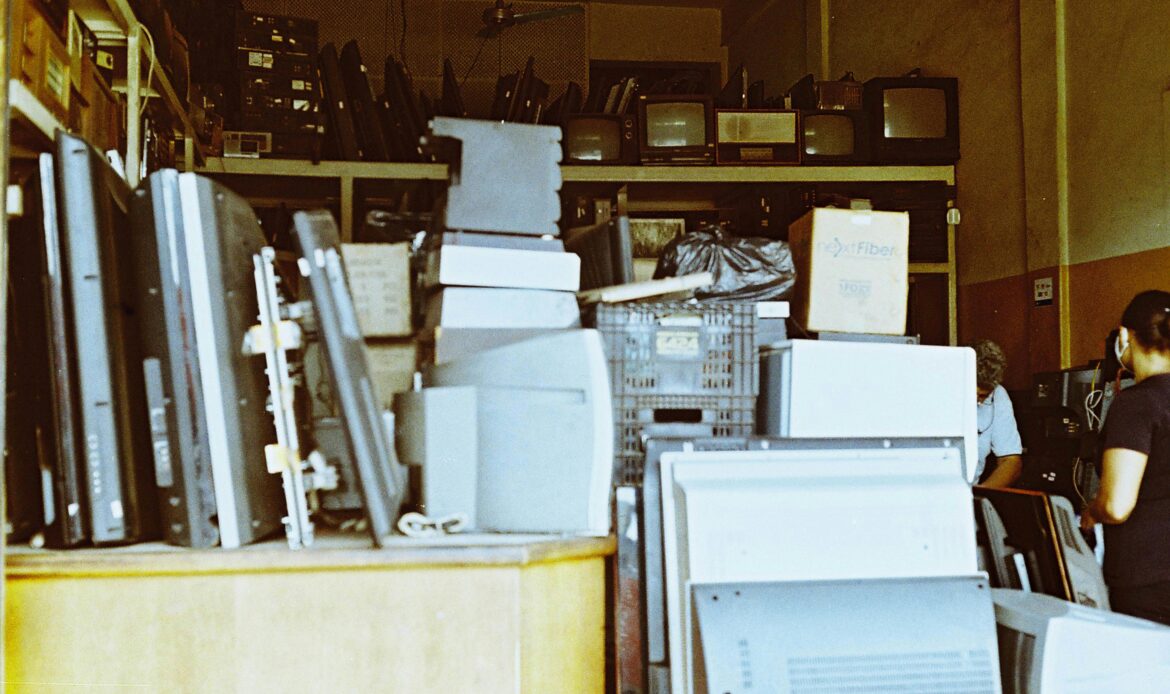
By September, most businesses have at least some equipment floating around with no clear owner or status. Some of it is still useful. Some of it is outdated. Some of it is sitting in a closet collecting dust with a hard drive full of sensitive data still on it.
A fall audit finds all of it.
What an IT Inventory Audit Actually Looks Like
You don’t need a dedicated IT team to pull this off. The goal is simple: know what you have, where it is, and what condition it’s in.
Walk through every workspace. Check storage rooms, supply closets, and anywhere equipment tends to accumulate. Log every device — computers, monitors, tablets, phones, servers, networking equipment, printers.
For each item, note the make and model, approximate age, current condition, and whether it’s actively in use. That last column is the most important one. Equipment that isn’t being used is either an asset you can recover value from or a liability you need to dispose of properly.
Identify What Needs to Go
Once you have a full picture, the decisions get easier.
Devices more than five or six years old are usually past their useful life for business purposes. They’re slower, less secure, and harder to support. Holding onto them doesn’t save money — it creates risk.
Any device that’s been sitting unused for more than a year should be evaluated for disposal. It’s taking up space, and if it has storage capability, it’s a data security issue waiting to happen.
Don’t Skip the Data Security Step
This is where a lot of businesses cut corners.
Old devices don’t get retired cleanly. Someone wipes a laptop and assumes the job is done. A server gets unplugged and forgotten. A box of old phones sits in a drawer.
Deleted files can be recovered. Formatted drives still hold data. Every device with storage that leaves your possession without certified data destruction is a potential breach.
A certified recycling partner handles this correctly. Drives get wiped or shredded to industry standards. You get documentation confirming it was done. That protects you from liability and satisfies compliance requirements.
Some of That Old Equipment Has Value
Before anything gets recycled, ask about asset recovery. Equipment you’ve written off as worthless may still have resale or refurbishment value. A good recycling partner evaluates what you have and can offset disposal costs — sometimes significantly.
RTR Is Ready When You Are
Renewable Technology Resources helps New England businesses clear out retired IT equipment the right way.
We pick up at your location, destroy data to certified standards, and handle responsible recycling across Massachusetts, New Hampshire, Maine, Connecticut, Rhode Island, and Vermont.
Call (978) 965-2728 or visit renewabletechnologyresources.com to schedule your pickup.